

Solo Backpacking Gear Guide: Pack Light, Go Far, Stay Safe

Chosen theme: Solo Backpacking Gear Guide. Welcome to your no-nonsense, confidence-boosting start line for traveling alone with only what you carry. Explore smart choices, learn from trail-tested stories, and build a kit that feels like freedom. Subscribe for fresh checklists and field tips tailored to solo adventurers.

Your Pack: The Backbone of Solo Travel

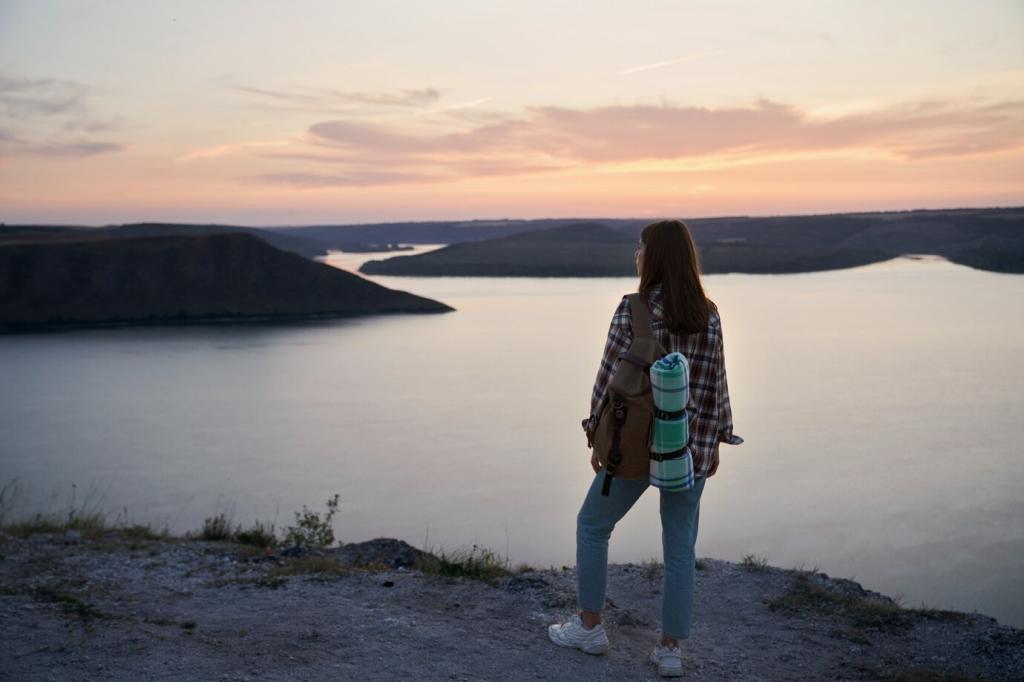
For most solo trips, a 38–50L pack hits the balance between minimalism and safety. Aim for a base weight you can comfortably manage over your longest climb. If you need more space, question your gear list first before jumping to a heavier, bulkier frame.

Your Pack: The Backbone of Solo Travel

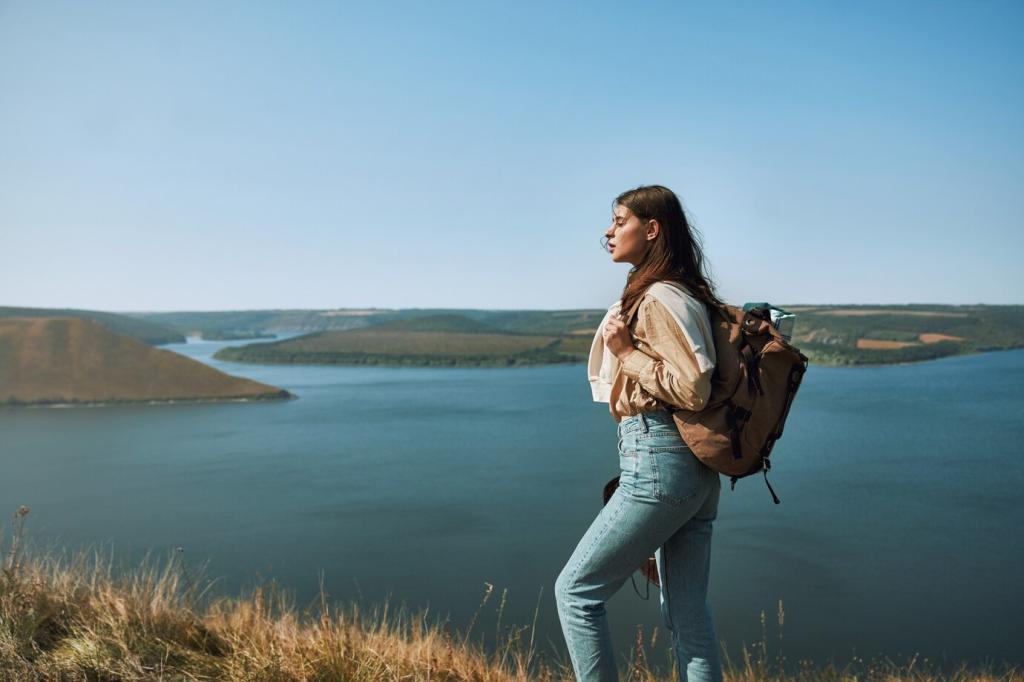
Torso length and hipbelt size matter more than brand names. Try on packs with weight added, adjust load lifters to about a 45-degree angle, and check that most weight sits on the hips. A light internal frame adds support without punishing you on long, hot ascents.

Tent vs. Tarp vs. Bivy

Tents add comfort, bug defense, and privacy, great for bad weather or long trips. Tarps are featherlight and versatile but demand better site choice and pitch practice. Bivies shine for stealth and speed but can feel cramped in rain. Choose what matches your terrain and tolerance.

Sleeping Bag and Pad Synergy

A 20–30°F bag or quilt suits many three-season solos, but insulation under you matters most. Pair loft with an R-value pad that protects from cold ground. Inflate less for shoulder comfort, and tuck a puffy at your feet. Share your go-to temperature ratings and why.

Storm Story: Learning to Pitch Low

On a ridgeline, I pitched my tarp too high, inviting sideways rain that soaked my socks. The fix came next night: lower pitch, tighter corners, windward side down. That small change turned chaos into calm. What’s your hard-earned shelter lesson that others should borrow today?

Food, Stoves, and Water: Fueling Miles Alone

Canister stoves boil fast with minimal fuss, perfect for coffee-first mornings. Alcohol stoves are ultralight but slower and wind-sensitive. Solid fuel excels for emergencies. In fire-restricted areas, follow regulations strictly. Pack a true windscreen solution and test your entire cooking setup before committing to remote miles.

Food, Stoves, and Water: Fueling Miles Alone

Squeeze filters are convenient but can clog; backflush regularly. Chemical drops are ultralight backups, especially in freezing temperatures that damage filters. Consider using a dedicated dirty bag and a short hose for gravity setups. Mark your bottles and track intake. What filtration method earned your trust during shoulder seasons?

Food, Stoves, and Water: Fueling Miles Alone

Aim for 2,500–3,500 daily calories depending on terrain and temperature. Mix fats, carbs, and salt: tortillas, nut butter, couscous, instant potatoes, and high-cacao chocolate. Pre-portion snacks into hourly bags. Keep a morale treat for sunset. Share your top three trail foods that never let you down.

Clothing Systems: Layer to Keep Moving

Choose a moisture-wicking base (merino or synthetic), a breathable midlayer (fleece or active insulation), and a trustworthy shell. In shoulder seasons, add a light puffy for camp warmth. Keep gloves and a beanie accessible. Adjust layers often to avoid sweat-soaked chills on windy ridges.

Clothing Systems: Layer to Keep Moving

Trail runners dry fast and save energy; boots suit heavy loads or scree. Use liner socks or try thicker merino for cushioning. Tape hotspots early with leukotape and air out feet during breaks. Replace insoles proactively. Tell us what sock-shoe combo kept you blister-free on wet days.
Navigation and Safety: Redundancy for One

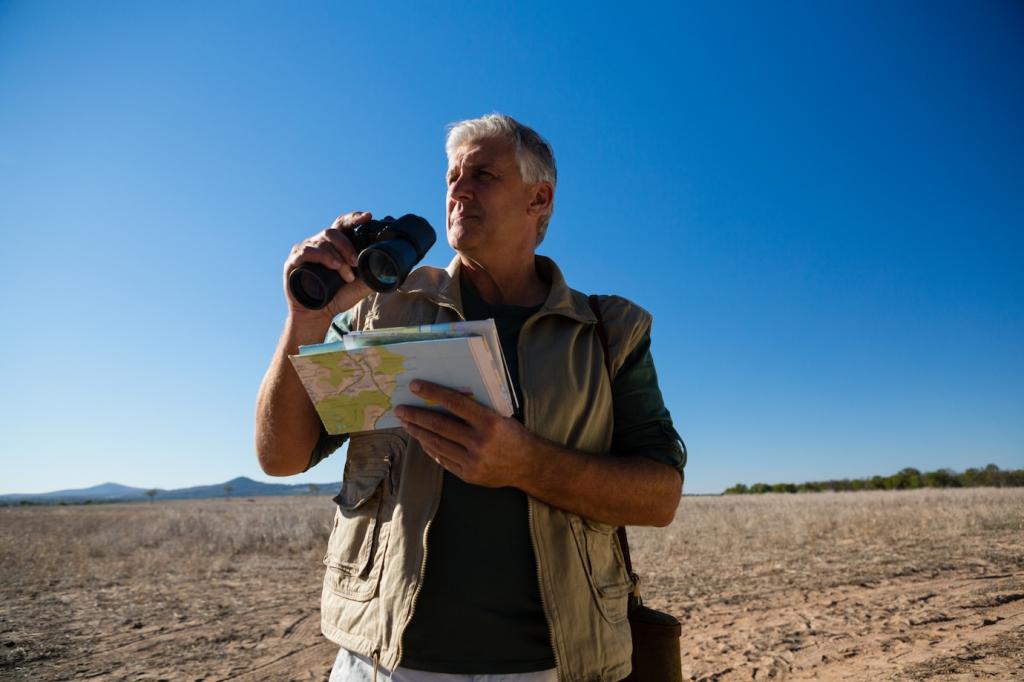
Download offline maps, pack a paper topo, and actually practice with your compass. Electronics fail; skills don’t. Mark water sources, bailout points, and camps you can reach in bad weather. Keep your map in a waterproof sleeve and review the route each evening over dinner.

Ultralight Smarts Without the Hype

Pack, shelter, and sleep system dictate your baseline. Weigh each item and consider lighter alternatives when replacement makes sense. Shaving a pound from these beats trimming toothbrush handles. Keep warmth and structure honest. What upgrades moved the needle most for your shoulders and nightly rest?
Erc-refs
Privacy Overview

This website uses cookies so that we can provide you with the best user experience possible. Cookie information is stored in your browser and performs functions such as recognising you when you return to our website and helping our team to understand which sections of the website you find most interesting and useful.